Behind the Scenes of Helicopter Rescue Operations
Behind the Scenes of Helicopter Rescue Operations
What really happens before you ever see a rescue helicopter in the sky
When people watch a rescue helicopter fly over mountains or cities, they often see only the dramatic moment — the aircraft hovering, a winch lowering, and lives being saved.
But in reality, every rescue mission begins long before the helicopter leaves the ground. Behind every successful operation is a team working with precision, training, and constant coordination.
This is a look inside the world few passengers or bystanders ever witness.
1. The Emergency Call — Where Every Second Counts
A rescue mission starts with a call. It may come from:
Trekking guides in remote terrain
Hospitals requesting medical evacuation
Aviation authorities
Expedition teams
Local authorities or disaster response units
The operations desk immediately gathers critical information:
Exact location (GPS coordinates if possible)
Altitude and terrain conditions
Weather conditions
Patient condition (trauma, altitude sickness, cardiac, injury, etc.)
Landing possibility or winch required
Within minutes, the decision is made: Is it safe and possible to fly?
2. Rapid Mission Planning
Unlike commercial flights, rescue operations cannot follow fixed routes.
The operations team prepares a customized flight plan:
Route Analysis
Terrain obstacles (ridges, cliffs, valleys)
High-altitude performance limits
Fuel requirements vs payload
Weather Assessment
Wind speed and direction in valleys
Cloud ceiling
Visibility
Mountain wave turbulence
Weight & Balance Calculation
In rescue missions, weight is critical:
Crew weight
Fuel
Medical equipment
Patient weight
Even a few kilograms can determine whether the helicopter can hover safely at altitude.
3. The Pre-Flight Preparation
While planning happens, the crew moves quickly:
Pilot
Reviews terrain maps & approach strategy
Plans hover or landing technique
Rescue Crew / Crew Chief
Prepares ropes, harness, winch system
Checks communication gear
Flight Medic
Packs altitude-specific medical kit
Oxygen system
Trauma stabilization equipment
Every item has a fixed location inside the helicopter.
In emergencies, searching for equipment costs lives — organization saves them.
4. Takeoff — Controlled Urgency
Rescue flights are urgent, but never rushed.
The pilot performs a rapid but full safety check:
Engine parameters
Rotor performance
Communication systems
Navigation systems
Only when everything is confirmed does the helicopter lift off.
Speed matters — but safety matters more.
5. En Route: Continuous Re-Evaluation
During flight, the situation often changes:
Weather closes in
Coordinates are corrected
Patient condition worsens
Landing zone becomes impossible
Pilots constantly adjust the plan.
Many rescues involve multiple approaches before the safe attempt.
6. At the Rescue Site — The Most Critical Phase
This is the moment people usually see — but it is also the most dangerous.
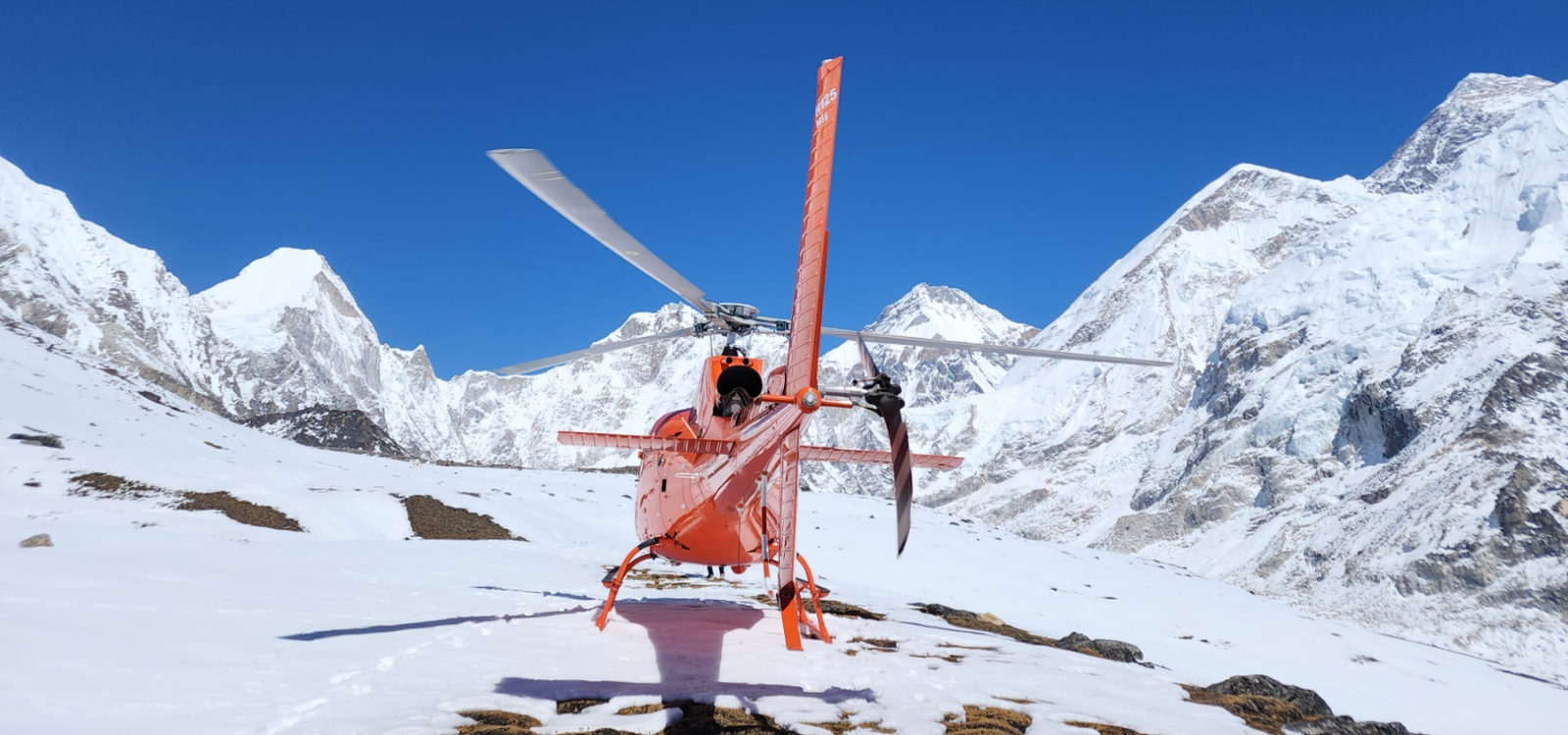
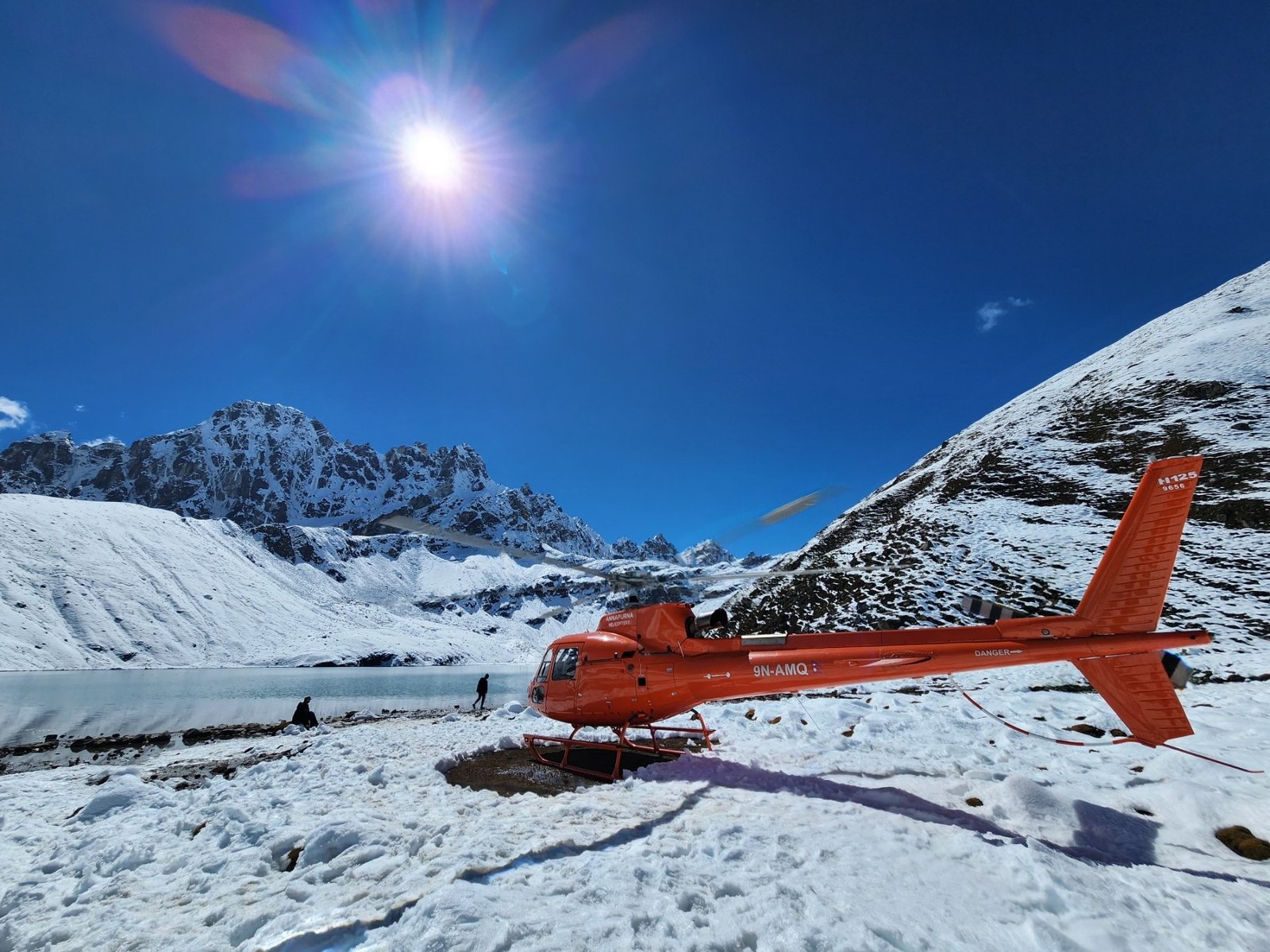
At high altitude, the helicopter may not land. Instead:
Hover Rescue
The aircraft remains suspended in the air while the rescuer is lowered by winch.
Skid Landing
Only one skid touches the slope while the team loads the patient.
No-Landing Extraction
Used on cliffs, glaciers, or forests.
Communication is continuous:
Pilot: wind, power margin, drift
Crew: distance, obstacles
Medic: patient status
Everyone speaks — everyone listens.
7. Patient Stabilization in Flight
Once onboard, the mission shifts from rescue to survival.
Inside the cabin:
Oxygen is administered
Bleeding controlled
Vital signs monitored
Pain managed
Hypothermia prevented
The helicopter becomes a flying emergency room.
8. Hospital Coordination
While flying, the operations desk contacts the hospital:
Injury details
Estimated arrival time
Special equipment needed
Trauma team readiness
When the helicopter lands, doctors are already waiting.
9. After Landing — The Work Isn’t Over
Even after patient handover:
The aircraft is inspected
Equipment is restocked
Reports are written
The crew debriefs
Every mission is reviewed so the next rescue is safer.
The Human Side of Rescue Flying
Rescue crews don’t remember missions by flight numbers — they remember faces, voices, and outcomes.
Sometimes the patient walks away weeks later and visits the base.
Sometimes the team never knows what happened next.
But every call is answered the same way:
Preparation. Precision. Responsibility.
Because in rescue aviation, the goal is simple:
Someone called for help.
The helicopter must reach them — safely.
Final Thoughts
Helicopter rescue operations are not just about aircraft performance.
They are about teamwork, discipline, and decisions made under pressure.
The next time you hear rotor blades overhead, remember:
A coordinated team, trained for years, is working together in minutes — so someone gets another chance at life.
.jpg)